New Construction or Existing Home?
New Construction or Existing Home?
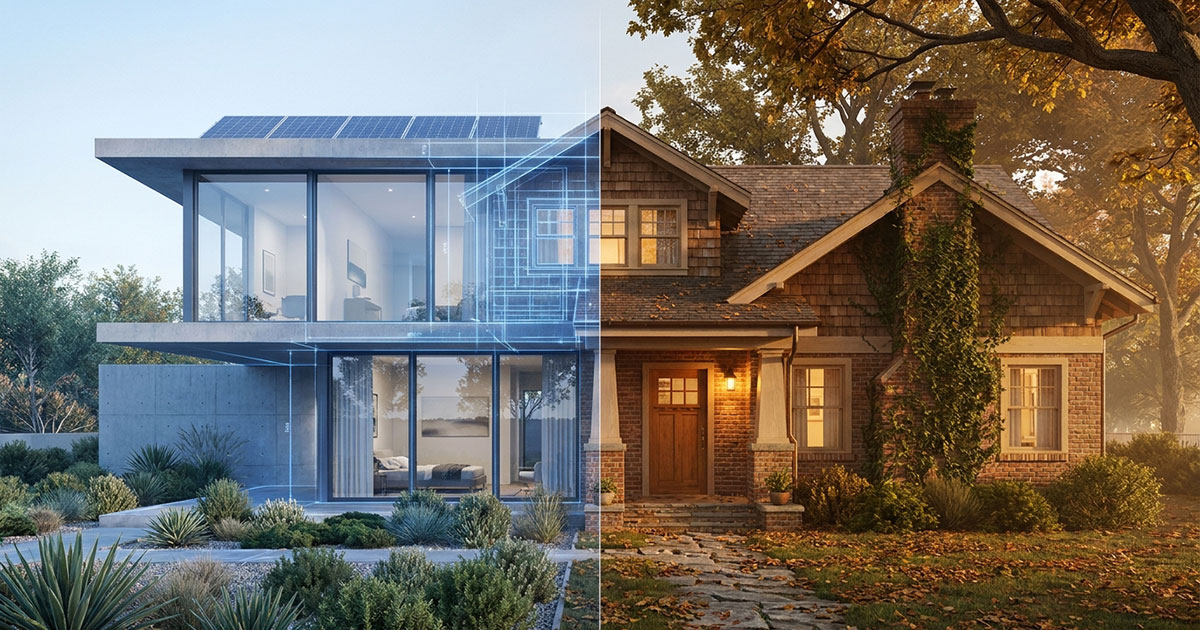
Navigating the 2026 housing market requires deciding between new construction and existing homes. While high mortgage rates challenge buyers, builders offer unprecedented incentives like rate buydowns and closing cost assistance. Conversely, existing homes provide established neighborhoods and immediate availability. This article explores both options to help you maximize your real estate investment in today’s market.
Market Realities
As we navigate the complexities of the late 2026 real estate landscape, the traditional debate between purchasing a brand-new home and investing in an existing property has taken on entirely new dimensions. The current market is heavily influenced by sustained high mortgage rates and shifting inventory levels, which fundamentally alter buyer calculations and affordability metrics. Historically, existing homes were the undisputed champions of affordability, offering charming neighborhoods and lower upfront price tags compared to shiny new constructions. However, the unprecedented financial environment of 2026 has flipped this conventional wisdom on its head in many local markets across the United States. Buyers are now facing a unique scenario where the sticker price of a home is only a fraction of the total cost equation, making the choice between a pristine, untouched property and a home with history much more complicated than a simple aesthetic preference. Understanding the nuances of this shift is absolutely critical for anyone looking to make a sound financial investment while securing a comfortable place to live for the foreseeable future.
Builder Incentives
One of the most compelling reasons buyers are flocking to new construction in 2026 is the aggressive incentive structures offered by national and regional builders. Facing the reality that many potential buyers have been priced out of the market by elevated mortgage rates, builders are utilizing their deep financial reserves to artificially lower the barrier to entry. The most significant of these incentives is the mortgage rate buydown, where builders pay upfront to secure a lower interest rate for the buyer for the first few years or even for the entire life of the loan. In addition to rate buydowns, builders are routinely covering closing costs, throwing in premium appliance packages, or offering substantial design center credits at no extra charge. When you factor in these massive financial concessions, the monthly payment on a newly constructed home can actually be lower than the payment on a cheaper existing home financed at the current standard market rate. This powerful financial leverage is transforming new constructions from luxury upgrades into practical necessities for budget-conscious buyers trying to break into the market.
Maintenance Costs
Beyond the initial financing advantages, new construction offers tremendous peace of mind regarding ongoing maintenance and unexpected repair costs, which is crucial in an inflationary environment. When you purchase an existing home, especially one built decades ago, you are inheriting the wear and tear of previous owners and the inevitable aging of critical home systems. A sudden failure of an HVAC unit, a leaking roof, or an outdated plumbing system can instantly drain thousands of dollars from your savings, destroying any perceived discount you received on the purchase price. In contrast, new homes come entirely equipped with brand-new appliances, modern building materials, and comprehensive builder warranties that typically cover structural defects and system failures for several years. Furthermore, modern building codes mandate significantly higher energy efficiency standards, meaning new homes feature superior insulation, high-performance windows, and energy-saving HVAC systems that drastically reduce monthly utility bills. Over a ten-year ownership period, the compounded savings from reduced maintenance and lower energy costs can easily offset the premium initially paid for a newly built property.
Existing Homes
Despite the flashy incentives and warranties associated with new builds, the existing home market continues to hold distinct advantages that appeal to a massive segment of American buyers. The most significant draw of an existing home is the established nature of the neighborhood, complete with mature trees, established landscaping, and a predictable community dynamic that new subdivisions often lack. When you buy a resale property, you know exactly what the surrounding area looks like, how the local schools perform, and where the nearest amenities are located, eliminating the guesswork associated with developing communities. Additionally, existing homes often feature unique architectural details, larger lot sizes, and a sense of character that is frequently missing from the standardized layouts of modern tract housing. For buyers who prioritize location over pristine condition, existing homes are often situated closer to urban centers and employment hubs, drastically reducing commute times compared to new constructions that are typically pushed out to the suburban periphery due to land availability.
Negotiation Power
The dynamics of negotiation also differ wildly between the two markets, giving buyers different types of leverage depending on the route they choose to pursue. When dealing with home builders, buyers are negotiating with corporations that prioritize sales volume and inventory turnover, making them highly receptive to offering financial concessions rather than dropping the base price of the home. Builders are desperate to avoid lowering their official sales prices because it negatively impacts the appraised value of their remaining inventory, but they will happily throw money at closing costs or rate buydowns to get a deal done quickly. On the flip side, negotiating with the seller of an existing home is a highly emotional and personal process that hinges heavily on the individual seller’s motivation and timeline. In a market where high rates have cooled buyer demand, sellers of existing homes are increasingly willing to negotiate on the actual purchase price, especially if their property has been sitting on the market for several weeks. Savvy buyers can leverage this desperation to secure a lower purchase price, request significant repair credits after the inspection, or negotiate flexible closing timelines that perfectly suit their moving schedule.
Final Conclusion
Ultimately, determining whether it is more profitable to purchase a new construction or an existing home in 2026 requires a highly personalized analysis of your financial situation, lifestyle preferences, and long-term goals. If your primary concern is securing the lowest possible monthly payment right now and avoiding unexpected repair bills, the powerful incentives and warranties offered by home builders make new construction an exceptionally lucrative choice. Conversely, if you prioritize living in an established neighborhood with character, demand a shorter commute, and are willing to negotiate aggressively on the purchase price, the secondary market provides unparalleled opportunities to find a deeply discounted gem. Buyers must carefully weigh the hidden costs of aging home systems against the premium price tags of modern developments, keeping in mind that the true cost of homeownership extends far beyond the initial down payment. By thoroughly evaluating both sectors of the market and strictly adhering to a well-defined budget, you can confidently navigate this complex real estate landscape and secure a property that serves as both a comfortable sanctuary and a sound financial investment for years to come.

John Doe
State of Washington
925 4th Ave Seattle, WA 98104
Email: service.myre@gmail.com
Phone: (555) 555-55-55
I take the time to listen carefully to understand my client’s needs, wants and concerns. I will be ready to take quick action when required and spend more time with those who aren’t quite sure which direction to take. My genuine concern for my client’s best interests and happiness ensures the job is done!